The Quiet Edge: Making the Blackjack Strategy Chart Work for You
By Site383 Editorial Desk 07C566•25.10.2026•361 views
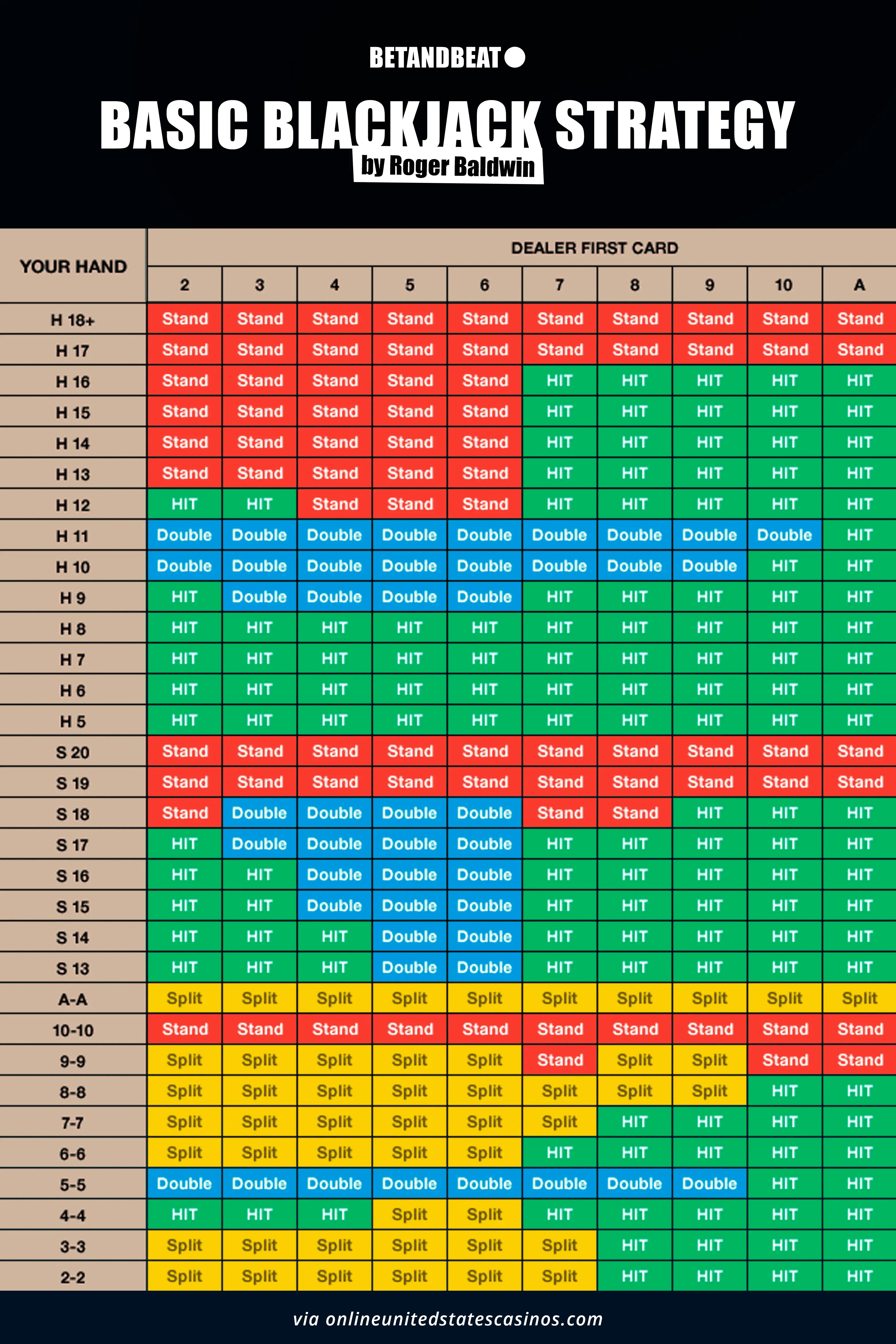
Most newcomers see a blackjack strategy chart as a crowded grid of arrows and letters. Experienced players see something different: a compact record of millions of simulated hands and years of mathematical study, reduced to clear guidance for common situations. The chart is not a trick and it is not a shortcut around the rules. It is a practical decision tool for players who want to rely on evidence rather than instinct.
What the Chart Really Does
A strategy chart sets out the strongest mathematical play for a particular set of table rules. You match your hand against the dealer’s visible card, then choose the action with the best expected value. It assumes a fresh shoe and the posted rules of the game, so it does not rely on remembering past cards or spotting patterns in the shoe. The aim is not to flirt with 21 on every hand. The aim is to make the most profitable choice at each decision point and let the long run take care of itself. The chart cannot guarantee a win on any single hand, but it can protect you from costly guesses.
Rules Shape the Correct Answer
There is no universal chart that fits every blackjack table. The number of decks, whether the dealer hits or stands on soft 17, whether surrender is offered, and whether doubling after a split is allowed can all change the correct play. A game where the dealer stands on soft 17 is better for the player, and the difference is around 0.22 percentage points of house edge. Payouts matter too: a natural paying 3 to 2 is far better than one paying 6 to 5, and the shorter payout adds about 1.39 percentage points to the house advantage. Because of this, a chart for one game can be wrong for another. Check the rules before you play, and use the version that matches the table in front of you. If the rules are unclear, ask or review them through a licensed operator before placing a wager.
Learn the Language First
The Quiet Edge Making the Blackjack Strategy Chart Work for You
The chart becomes much less intimidating once the basic terms are clear. A hard total contains no flexible ace, while a soft total still has an ace that can count as 11. A pair can be split into two separate hands. Doubling means increasing your wager and taking exactly one more card. Insurance and even-money are usually poor choices under ordinary conditions because the payoff does not match the real odds of the dealer holding a ten in the hole, which is why standard charts often say to decline them. Instead of memorizing every cell without context, group the decisions into hard hands, soft hands, and pairs. That pattern recognition makes the chart easier to absorb and quicker to apply.
Practice With Purpose
Before real money is involved, practice. Free games and training tools let you rehearse decisions without pressure, and they make it easier to notice the hands that confuse you. Keep track of your mistakes and return to those situations until the right play feels natural. Pay attention to small rule changes, because a minor difference at the table can shift the correct action. Set win and loss limits before you begin, and stick to them. Emotional control is part of the skill set, and chasing losses can undo the benefit of sound strategy. The chart is a tool for disciplined play, not a reason to ignore bankroll management.
Using It Under Real Conditions
At the table, keep the chart nearby if the operator permits it. If not, memorize the most common situations first, especially frequent hard totals and dealer upcards. Slow down enough to make a considered choice. A brief pause is better than an impulsive play you later regret. The chart will not remove variance, but it reduces avoidable errors. It also stands on its own without card counting, which makes it useful to a wide range of players. The goal is to beat the dealer over many hands by following the best available decision each time, not by chasing dramatic wins.
A Simple Habit, Repeated Well
The blackjack strategy chart rewards preparation and patience. Learn the rules of the game you are playing, use the correct chart for those conditions, practice until the decisions feel familiar, and keep your emotions in check. Mastery does not come from one perfect hand. It comes from making fewer mistakes than the average player, hand after hand, and trusting the math even when a particular result goes the other way.




























0 Comments
No comments yet. Be the first to share your experience.